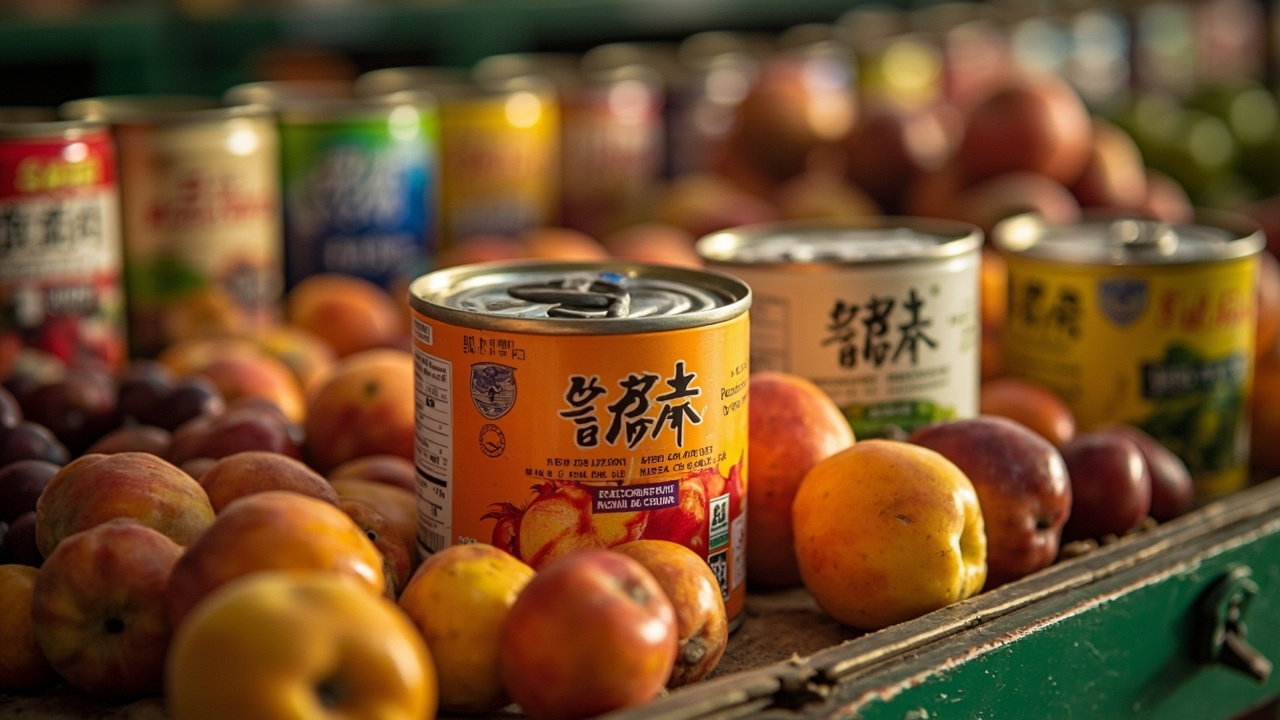
China remains the world's largest producer and exporter of canned food products, supplying billions of dollars worth of canned fruits, vegetables, proteins, and specialty items to markets across the globe every year. For international food importers, distributors, and retail chain buyers, sourcing canned food from China offers significant cost advantages, diverse product ranges, and well-established manufacturing capabilities. However, navigating the complexities of Chinese supplier verification, quality control, regulatory compliance, and logistics requires a structured approach. This comprehensive B2B guide walks you through the entire process of sourcing canned food from China—from identifying reliable suppliers to managing shipment and customs clearance.
Why Source Canned Food from China?
The Chinese canned food industry has matured significantly over the past two decades, with modern production facilities that meet international food safety standards such as ISO 22000, HACCP, BRC, and FDA registration. Chinese manufacturers offer competitive pricing due to economies of scale, abundant agricultural raw materials, and well-developed supply chains for ingredients like peaches, pears, mushrooms, asparagus, tuna, and pet food. For B2B buyers, this translates to attractive margins when importing canned food for wholesale distribution, private label packaging, or retail sale under your own brand. Beyond cost, China's food processing sector provides flexibility in production runs, from small MOQs for niche products to full container loads for large-scale distribution. The country's extensive port infrastructure and established freight forwarding networks make logistics relatively straightforward compared to other sourcing destinations.
Step 1: Identify Your Product Requirements
Before approaching any Chinese supplier, you need a clear specification of what you intend to import. Canned food covers a broad spectrum of product categories, each with distinct processing requirements, ingredient specifications, and target market regulations. Define your product category—whether canned fruits (peaches, pears, lychee, fruit cocktails), canned vegetables (mushrooms, asparagus, sweet corn, green beans), canned proteins (tuna, sardines, salmon, chicken), or specialty items like canned soups, sauces, and pet food. For each product, specify the exact ingredients, brine weight, can size (such as 400g, 850g, 2.5kg), type of packaging (tin plate, easy-open lid, glass jar), and any certifications required for your target market, such as EU regulations, FDA compliance, or organic certification. Having detailed product specifications ready before contacting suppliers will dramatically accelerate the sourcing process and ensure you receive accurate quotations.
Step 2: Find and Vet Chinese Canned Food Suppliers
Finding reputable canned food manufacturers in China requires leveraging multiple channels. Online B2B platforms such as Alibaba, Made-in-China, and Global Sources list thousands of food processing companies, but the quality varies significantly. Trade shows like the China International Food Expo (CIFF) in Guangzhou and the Annual Food & Hotel China exhibition in Shanghai provide opportunities to meet suppliers face-to-face and inspect product samples directly. Industry associations and chambers of commerce can also provide introductions to established exporters. Once you identify potential suppliers, conduct thorough due diligence by requesting business licenses, food production licenses (QS marks), export registration certificates, and relevant third-party audit reports. Ask for references from existing international clients and, if possible, hire a third-party inspection company such as SGS, Bureau Veritas, or Intertek to conduct factory audits and pre-shipment inspections. Verify that the supplier has experience exporting to your target country and understands the specific regulatory requirements for canned food imports.
Step 3: Negotiate Terms and Sign Contracts
Price negotiation with Chinese canned food suppliers typically revolves around the FOB (Free on Board) or CIF (Cost, Insurance, and Freight) price term, depending on whether you arrange your own shipping or prefer the supplier to handle logistics. Request quotations for multiple order quantities to understand the volume discount structure. Most established suppliers offer better pricing for orders of one full container (20ft or 40ft), while smaller orders carry higher unit costs. Negotiate payment terms—common arrangements include 30% deposit upon order confirmation and 70% balance against copy of Bill of Lading. Use a standard sales contract that clearly specifies product specifications, quality standards, packaging requirements, delivery timeline, and penalty clauses for non-compliance. For canned food, include provisions for pre-shipment inspection, microbiological testing reports, and certificate of analysis for each batch. Consider engaging a Chinese trade lawyer to review contracts before signing, especially for large initial orders.
Step 4: Quality Control and Food Safety
Quality control is arguably the most critical aspect of sourcing canned food from China. Canned food is a shelf-stable product, but contamination, improper processing, or packaging defects can lead to serious food safety incidents and costly recalls. Implement a multi-stage quality control protocol: first, approve pre-production samples to ensure the product meets your exact specifications before mass production begins. Second, conduct in-line inspections during the manufacturing process to monitor filling accuracy, sealing integrity, and hygiene practices. Third, arrange pre-shipment inspection and laboratory testing—specifically for canned food, this should include can seam integrity testing (to verify proper seaming of the double seam), microbiological analysis for botulism risk (Clostridium botulinum), heavy metal testing, pesticide residue screening, and organoleptic evaluation. Request certificates of analysis from accredited laboratories and ensure each production batch has batch traceability back to the raw material sources. A good Chinese supplier will welcome your quality requirements and may already have established QA protocols aligned with international standards.
Step 5: Understand Import Regulations and Customs
Each destination country has specific import regulations for canned food products that you must comply with before shipment arrives. In the European Union, canned food imports must comply with EU food safety regulations including EC Regulation 178/2002 (general food law), EC Regulation 852/2004 (hygiene of foodstuffs), and specific standards for canned fruits and vegetables. Products must be traceable, properly labeled in official EU languages, and accompanied by health certificates and origin certificates. The United States FDA requires foreign food facilities to register with the FDA and comply with the Food Safety Modernization Act (FSMA), including the Preventive Controls Rule for human food. Canned food products may be subject to the Voluntary Qualified Importer Program (VQIP) for expedited entry. Other markets like Australia, Canada, Japan, and Southeast Asian countries each have their own import permit requirements and labeling standards. Engage a licensed customs broker in your destination country well in advance to ensure all documentation is prepared correctly and to avoid customs delays that could compromise product quality.
Step 6: Shipping and Logistics
Canned food products are generally shipped via ocean freight in standard 20-foot or 40-foot containers from major Chinese ports such as Shanghai, Qingdao, Dalian, and Xiamen. For time-sensitive orders, air freight is an option though significantly more expensive. Most canned food has a shelf life of 2-3 years, which provides flexibility in shipping times, but proper container loading is essential to prevent container damage. Ensure cans are loaded on pallets with appropriate bracing and blocking to withstand ocean voyage conditions. Maintain proper ventilation and monitor container temperature and humidity to prevent condensation inside the container, which can lead to label damage and rusting. Work with an experienced freight forwarder who specializes in food exports from China—they can advise on the most reliable shipping lines, optimal container loading plans, and competitive freight rates. Calculate your total landed cost carefully, including product cost, inland transportation to port, port handling fees, ocean freight, customs duties (canned food typically falls under HS Chapter 20 in most countries), insurance, customs brokerage, and last-mile delivery to your warehouse.
Step 7: Build a Long-Term Sourcing Partnership
Successful canned food sourcing from China is not a one-time transaction—it requires building a sustainable partnership with your chosen supplier. Communicate regularly with your supplier beyond order placement, sharing market feedback, quality observations, and upcoming demand forecasts. Consider visiting your supplier's facility at least once per year, especially before peak ordering seasons, to reinforce your business relationship and stay informed about their production capabilities and any planned facility upgrades. Discuss exclusivity arrangements if you operate in a niche market segment and require guaranteed production capacity. Plan your purchasing calendar to align with Chinese production seasons—canned fruits like peaches and pears are typically harvested and processed from July to October, so placing orders well in advance ensures better pricing and availability. Maintain safety stock of 2-3 months' inventory in your destination market warehouse to buffer against shipping delays or unexpected demand fluctuations. With the right partner and consistent communication, sourcing canned food from China can become a reliable and profitable pillar of your food import business.
Ready to Source Canned Food from China?
Siville Foods is an established Chinese canned food exporter serving international B2B buyers worldwide. We offer a wide range of canned fruits, vegetables, and specialty products with full export documentation and quality assurance.
Contact Our Export TeamFrequently Asked Questions
What is the minimum order quantity for canned food from China?
Minimum order quantities vary by supplier and product type. Generally, most Chinese canned food manufacturers require a minimum of one full 20-foot container (approximately 10-15 metric tons depending on can size and packaging) for standard products. Some suppliers may accept smaller orders for premium or specialty items, but unit costs will be higher. Negotiate MOQs during the supplier selection phase.
How do I verify a Chinese canned food supplier's certifications?
Request certified copies of relevant certificates such as ISO 22000, HACCP, BRC, IFS, or FDA food facility registration. Cross-verify these certificates directly with the issuing certification bodies where possible. You can also verify Chinese food production licenses (QS marks) through China's State Administration for Market Regulation (SAMR) website. For critical suppliers, hire a third-party audit company to conduct on-site factory inspections.
What certifications do Chinese canned food suppliers typically hold?
Reputable Chinese canned food exporters typically hold ISO 22000 (food safety management), HACCP (hazard analysis critical control points), BRC Global Standard for Food Safety, IFS Food Standard, and US FDA food facility registration. EU-approved facilities will have export eligibility confirmed through China's General Administration of Customs. Organic-certified products require specific organic certification from accredited bodies.
How long does shipping canned food from China take?
Ocean freight from major Chinese ports to European destinations typically takes 25-35 days, to US West Coast ports 15-20 days, and to Southeast Asian ports 5-10 days. Add 3-7 days for port handling and customs clearance at destination. Total lead time from order placement to warehouse delivery is usually 45-60 days for sea freight shipments.
What are the main risks when sourcing canned food from China?
Key risks include quality inconsistency between batches, food safety incidents (contamination, foreign matter, improper sealing), regulatory non-compliance in the destination market, shipping damage, supplier reliability, and communication barriers. Mitigate these risks through rigorous supplier vetting, multi-stage quality control, clear contractual specifications, and working with established exporters who have proven international trade experience.